

 See My Latest Article on HelloNation
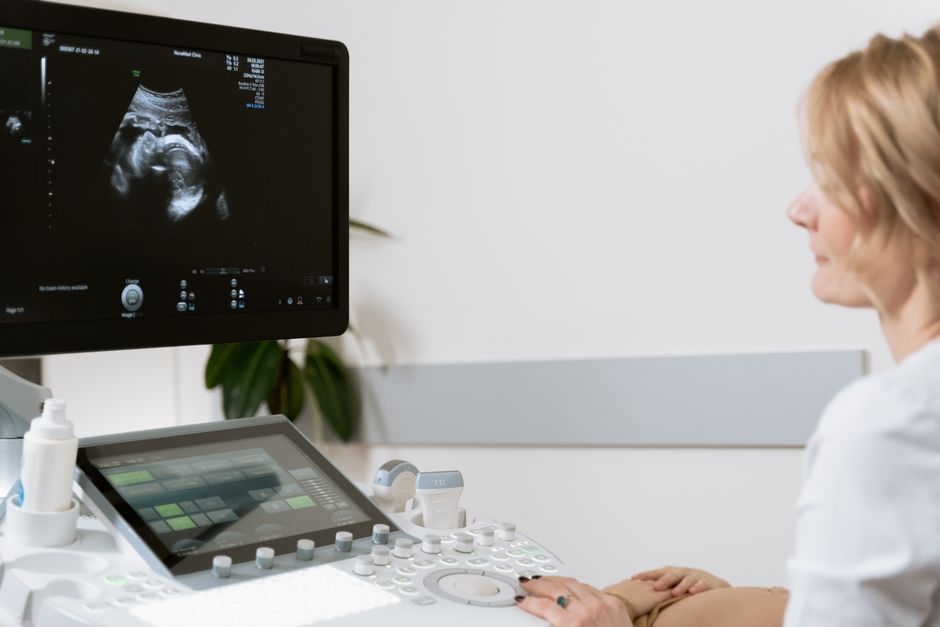
What Is a Prenatal Ultrasound and Why Is It Done?
Prenatal ultrasound is a medical imaging technique that uses sound waves to create pictures of a developing baby during pregnancy. This non-invasive method helps healthcare professionals confirm pregnancy milestones, monitor fetal health, and check for specific conditions.
In Denison, prenatal ultrasounds are commonly performed at various stages to check heartbeat, growth, anatomy, and overall well-being. Physicians rely on these images to support decisions about care throughout pregnancy, making ultrasounds a routine and valued part of prenatal visits for local families.
When Are Prenatal Ultrasounds Typically Scheduled?
Most pregnancies in Denison follow a general timeline for routine ultrasounds, but exact timing can vary based on individual needs and healthcare provider recommendations.
- First trimester: Usually between 6 and 9 weeks to confirm pregnancy and check for multiples or early concerns.
- Second trimester (anatomy scan): Frequently done between 18 and 22 weeks. This comprehensive exam checks fetal development, organ structure, and the placenta.
- Third trimester: Additional ultrasounds may occur if the pregnancy is high-risk, or if there are concerns about growth or position.
Some area clinics may offer additional scans, but the above timeline covers the standard points when most local residents can expect an ultrasound.
Are Prenatal Ultrasounds Safe for the Baby and Parent?
Yes, prenatal ultrasounds are considered very safe when used as directed by healthcare professionals. Ultrasounds rely on sound waves—not radiation—so there is no exposure to the types of risk associated with X-rays.
Extensive research and decades of routine use have not shown any harmful effects to either the baby or the pregnant individual. In Denison and nationwide, ultrasound safety guidelines help ensure minimal, medically appropriate exposure.
What Information Can Ultrasounds Provide?
Ultrasounds offer a detailed look at the baby’s development, helping track key milestones and detect potential issues.
Common information areas include:
- Estimating due date and fetal age
- Checking for multiples (twins, triplets, etc.)
- Monitoring fetal growth and position
- Examining major organs and the placenta
- Identifying certain birth differences (e.g., heart or skeletal conditions)
- Measuring amniotic fluid levels
It’s important to understand that while ultrasounds can answer many questions, not all conditions or features can be seen, and results may suggest further testing if needed.
What Should Be Expected During a Typical Ultrasound?
A standard prenatal ultrasound usually takes place in a private, quiet room at a local clinic or medical office. Here’s what most Denison residents experience:
- You will be asked to lie down on an exam table.
- A gel will be placed on your abdomen to help the ultrasound device transmit sound waves.
- The technician (sonographer) moves a handheld device (transducer) over your belly. This should not be painful but may feel a bit cool or sticky from the gel.
- Images appear on a screen in real time.
- Most exams last from 20 to 45 minutes.
For early pregnancy ultrasounds, a transvaginal (internal) probe may be used. This can feel different but is not typically painful.
Can Family Members Attend the Ultrasound?
Many local providers understand how meaningful ultrasounds are for families. In typical situations, immediate family members—like partners or a support person—are welcome to attend. Policies can change based on health guidelines, space, and privacy considerations. Some clinics may also allow children or additional guests by request, but this can depend on the office's rules.
During periods of increased health precautions, limits on visitors may be in place. Calling ahead to check current guidelines is common practice among residents.
What Happens If a Concern Is Found During the Ultrasound?
If the ultrasound shows a possible issue, the healthcare provider will explain what the results mean and outline next steps. Sometimes a repeat ultrasound or additional testing—like specialized imaging or lab work—is recommended for clearer answers.
Uncertain or unexpected ultrasound results can cause anxiety. Remember, many findings turn out benign or manageable. Providers in the community are experienced in offering both detailed information and practical guidance when anything out of the ordinary is noted.
Are 3D and 4D Ultrasounds Used Regularly?
Standard prenatal care usually relies on 2D ultrasounds, which give flat, black-and-white images. 3D and 4D ultrasounds provide a more lifelike, three-dimensional view, and sometimes include real-time motion (4D).
In Denison, 3D and 4D ultrasounds are mainly used when a provider needs a clearer view of certain structures, or when requested for keepsake imaging. These scans are not required for typical medical monitoring.
Is Any Preparation Needed Before the Appointment?
Preparation is straightforward for most ultrasound exams. Instructions can vary depending on the timing and specific scan, but generally:
- For early scans, you may be asked to come with a full bladder, which helps improve image quality.
- Wear comfortable clothing that allows easy access to your abdomen.
- Bring any relevant paperwork, identification, and questions you may have for the provider.
If special instructions are needed—such as fasting or medication adjustments—your provider will share these in advance.
What Are Common Misunderstandings About Prenatal Ultrasound?
Certain myths and misconceptions persist, especially among new parents:
- Ultrasound is not used to diagnose every possible health problem; its primary purpose is to monitor known milestones and screen for certain common issues.
- Having multiple ultrasounds, when medically indicated, does not harm the baby or parent.
- Ultrasound accuracy for detecting gender, due date, and measurement is high but not infallible. Occasional discrepancies or missed details occur.
- Not all pregnancies require the same number of ultrasounds. More are prescribed if there are medical reasons, not just by personal preference.
Understanding what prenatal ultrasound can—and cannot—do helps area families make informed decisions and set realistic expectations.