

 See My Latest Article on HelloNation
How Are Routine and Diagnostic Prenatal Ultrasounds Different?
Routine ultrasounds and diagnostic ultrasounds serve different purposes in pregnancy care, though both use high-frequency sound waves to create images of the developing baby. In Denison, TX, area families may encounter both types during pregnancy, sometimes in the same location or even during the same visit. Understanding the differences can help ease confusion and support informed decisions throughout the prenatal experience.
What Is a Routine Prenatal Ultrasound?
A routine ultrasound is a standard part of pregnancy checkups, typically performed at scheduled intervals to monitor general fetal development. In most pregnancies, the first routine ultrasound is scheduled around 8–14 weeks (sometimes called a dating scan), and a more detailed scan is usually offered between 18–22 weeks (often known as the anatomy scan).
Routine ultrasounds generally aim to:
- Confirm pregnancy and assess gestational age
- Check fetal heartbeat
- Determine number of fetuses (singleton, twins, etc.)
- View the basic anatomical structure and growth
- Check the position of the placenta
- Estimate due date
Routine scans are low-stress and often brief, providing reassurance to expectant parents and opportunities for medical providers to spot early markers of healthy growth.
When Is an Ultrasound Considered Diagnostic?
A diagnostic ultrasound is performed when a more detailed or specialized evaluation is needed. This type can occur at any stage of pregnancy if questions arise from a routine scan, symptoms develop, or specific risk factors exist.
Diagnostic ultrasounds may be used to:
- Investigate potential concerns seen on routine scans (e.g., unexpected measurements, unusual anatomy)
- Assess fetal organs more closely (such as the heart, brain, or kidneys)
- Monitor high-risk pregnancies, especially when conditions like gestational diabetes or hypertension are present
- Check amniotic fluid levels or placental problems
- Guide special procedures, like amniocentesis or genetic testing
These scans are often longer and may include more images, detailed measurements, or different imaging techniques. Sometimes, area providers refer expecting families for a diagnostic ultrasound at a regional medical facility if more advanced equipment or specialized expertise is needed.
Do the Exams Look or Feel Different for Patients?
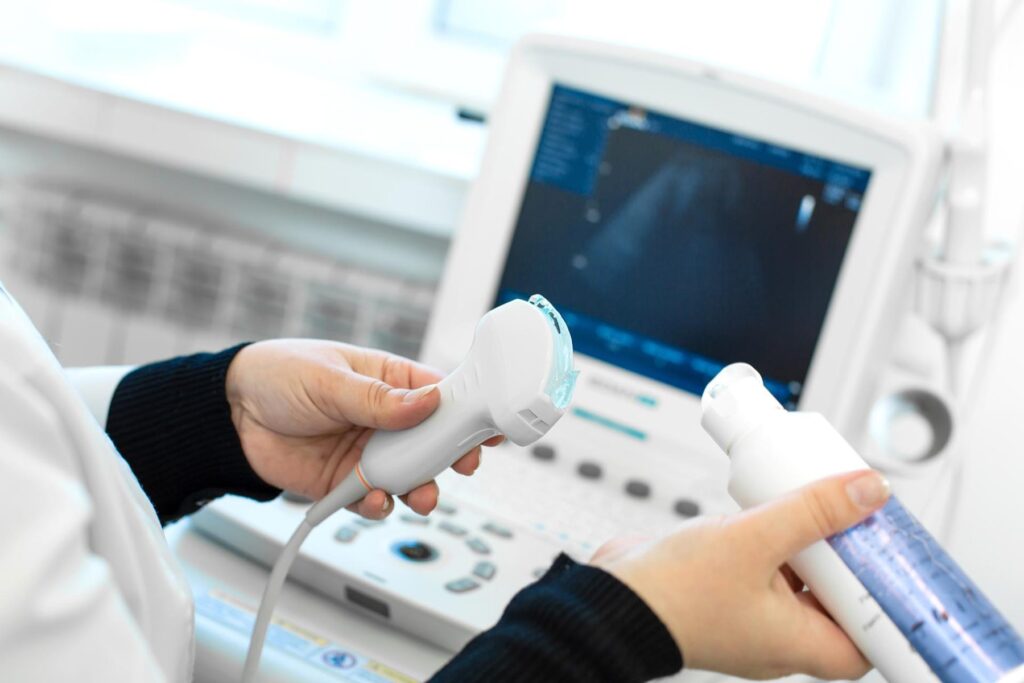
For most routine ultrasounds, the process involves lying back and having gel placed on the abdomen. A handheld device called a transducer is moved over the skin to produce images. Routine exams can take as little as 15–30 minutes if everything is progressing normally.
A diagnostic ultrasound may appear very similar, but it usually takes longer (sometimes 30 minutes to over an hour). The technologist may focus on specific areas, use different imaging angles, or repeat measurements if issues are suspected. In some cases, a transvaginal probe is used early in pregnancy or for clearer views of certain organs—this can be part of either routine or diagnostic imaging, depending on the clinical question.
What Types of Questions Can Each Type Answer?
Routine ultrasounds are designed to address common pregnancy questions:
- Is the baby developing as expected?
- How many babies are there?
- Is the heartbeat present?
- What is the estimated due date?

Diagnostic ultrasounds are used to answer more targeted or complex questions:
- Does the baby have a specific abnormality or anomaly suggested by earlier findings?
- Are fetal organs forming and functioning correctly?
- Are there issues with blood flow, growth, or the placenta?
- Is an intervention or closer monitoring needed?
Is There a Difference in Preparation or Follow-Up?
For most routine scans, minimal preparation is needed—occasionally, a full bladder is recommended in early pregnancy to improve image quality. After the scan, results are usually discussed as part of regular prenatal care.
If a diagnostic scan is ordered, the healthcare provider may give detailed instructions. The appointment may be longer or scheduled at a different location. Results from diagnostic imaging often involve a more in-depth conversation about possible next steps, which could include further testing or monitoring. Local patients sometimes have follow-up scans to track a specific issue.
Common Misconceptions About Prenatal Ultrasounds in the Community
Some area households assume every ultrasound checks for everything, but routine scans aren’t designed to detect all possible concerns. Occasionally, reassurance from a routine scan can be mistaken as a guarantee that there are no problems, when small or subtle issues may go unnoticed unless a diagnostic scan is performed.
Another misconception is that additional scans always mean something is wrong. In reality, diagnostic ultrasounds are a tool for closer evaluation and sometimes rule out problems, offering peace of mind.
How Can Residents Tell Which Type They Are Receiving?
Often, local families know they are scheduled for a routine scan as part of standard prenatal visits. If a provider mentions needing a “closer look,” “targeted scan,” or discusses evaluating a specific issue, it’s likely a diagnostic ultrasound. The distinction is less about the equipment or procedure and more about the medical questions being addressed.
It’s normal to have questions at any stage—patients are encouraged to ask their provider about the purpose of each scan and which questions are being answered by that exam.