

 See My Latest Article on HelloNation
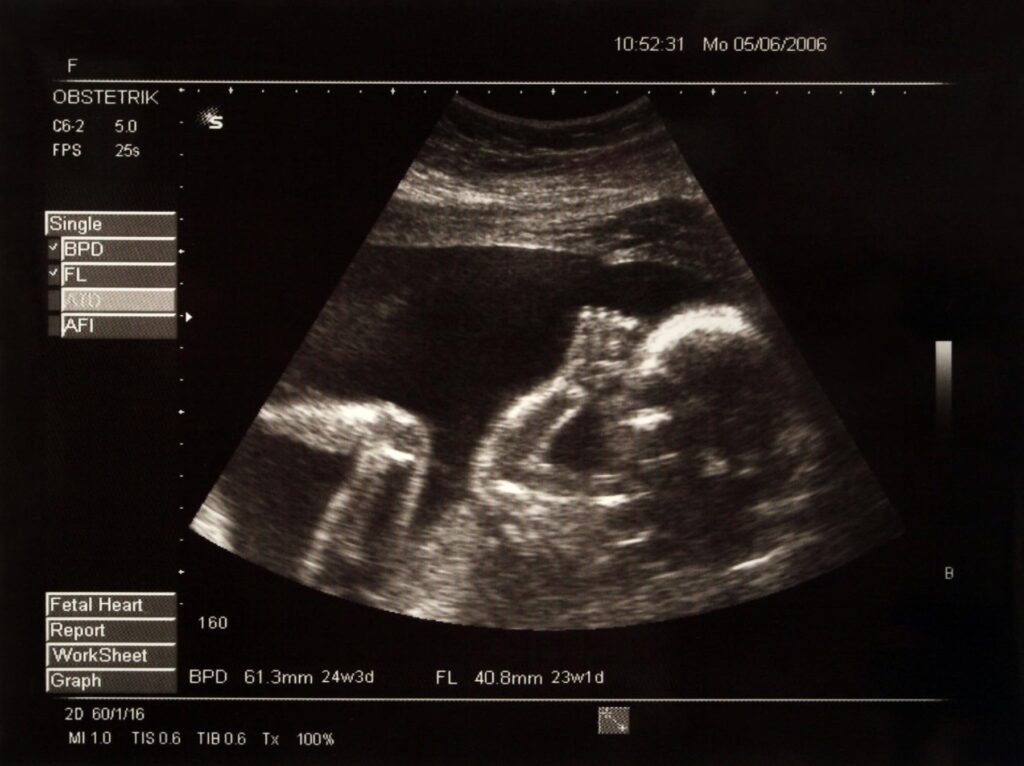
What Is a Prenatal Ultrasound and Why Is It Used?
A prenatal ultrasound is a common imaging method that uses sound waves to create pictures of a developing baby during pregnancy. In Denison, TX, it is typically part of routine prenatal care for local families, performed in clinics, hospitals, or outpatient imaging centers. These scans give doctors invaluable information about both the baby’s health and development, as well as the wellbeing of the parent.
Which Milestones Are Checked Early On?
Early ultrasounds, often performed in the first trimester, serve to confirm a pregnancy and estimate how far along it is. The main details doctors look for include:
- Presence of a gestational sac and its location (to rule out ectopic pregnancy)
- Number of embryos or fetuses (singleton, twin, etc.)
- Heartbeat detection (typically visible by around six weeks)
- Basic measurements, such as crown-rump length, to estimate gestational age
In Denison, early ultrasound exams are often paired with other routine checks to set a baseline for prenatal progress, especially given how timelines for prenatal care appointments might vary with community provider availability.
How Is Baby’s Growth Assessed Later in Pregnancy?
Mid-pregnancy (typically around 18-22 weeks) brings a detailed anatomy scan. During this stage, local doctors pay close attention to:
- Head size, abdominal circumference, and femur length to monitor growth patterns
- Amniotic fluid levels, which can be affected by local factors like dehydration during hot North Texas summers
- Position and structure of the placenta, watching for any signs it may be too low or blocking the birth canal
Doctors use these measurements and visual checks to confirm that the baby’s organs are developing as expected and that growth aligns with local and national health standards. Differences—especially if growth seems significantly above or below average—may prompt closer monitoring, but variations are often normal given the range of healthy body types in the community.
What Problems Can Ultrasound Help Detect?
Ultrasound is not just about reassuring expectant parents. Medical teams rely on these images to screen for detectable structural conditions or potential complications, such as:
- Limb or organ abnormalities (e.g., heart, kidneys, brain)
- Cleft lip or palate
- No visible nasal bone, which can be a risk marker for certain chromosomal differences
- Signs of neural tube defects (like spina bifida)
- Markers for Down syndrome or other genetic syndromes, especially if indicated by blood tests or family history
While not all issues are visible by ultrasound, the scan helps narrow down potential concerns and determine whether follow-up imaging or genetic testing may be appropriate. It’s a practical, noninvasive way to add context to other prenatal tests.
How Do Doctors Tell if Baby Is Getting Enough Oxygen?
Blood flow measurements are an important part of some ultrasounds, especially in later pregnancy or in higher-risk scenarios. Healthcare professionals may use “Doppler” ultrasound, which tracks blood flow:

- In the umbilical cord (assuring the baby is receiving nutrients and oxygen)
- In the arteries supplying the uterus and placenta
This information is especially relevant locally in situations where a resident’s health or environmental factors—like high summer heat or chronic conditions—might increase the risk of lower blood supply to the baby.
Can Ultrasound Reveal the Baby’s Sex?
Yes, most anatomy scans can identify a baby’s sex if the child’s position allows it. Technicians search for visual clues in the genital area, although visual certainty is sometimes limited by the baby’s movement or position. While this is a highly anticipated moment for many in the community, the primary function of the scan remains medical rather than social.
What About Placental and Amniotic Fluid Checks?
Doctors always look at the placenta’s location and structure and measure the amount of amniotic fluid. Some of the things checked include:
- Whether the placenta is attached high or low (placenta previa can complicate delivery)
- Thickness and "maturity" of the placenta as the pregnancy progresses
- If amniotic fluid is normal, too low (oligohydramnios), or too high (polyhydramnios), both of which may require closer monitoring
Seasonal hydration, typical summer temperatures in the city, and certain maternal health conditions can influence these findings, so area clinics often give practical guidance to support healthy fluid levels.
Are All Findings a Cause for Concern?
Many variations seen on ultrasound are entirely normal or resolve on their own by later scans. False alarms do happen—for example, a shadow might look like an abnormality, or the baby’s position could obscure views. Doctors usually talk through the findings with local families, explain what was seen, and recommend further testing only if necessary. Community health guidelines encourage follow-up and second opinions as needed, without unnecessary alarm.
What Should Residents Keep in Mind?
For those in Denison attending a prenatal ultrasound, it’s useful to know that not every detail will be discussed immediately or in detail during the appointment. Some findings may require a longer review by a radiologist or specialist and a follow-up discussion at the next clinic visit. Always feel comfortable asking for clarification about what has been observed or what further actions might be suggested.